Holiday and Birthday Traditions: How to Impress Your Partner's Inner Circle
Slavic holiday traditions turn a birthday dinner or a festive family gathering into the moment a relationship becomes real. This guide explains what to bring, how to behave at the table, and what meeting the family actually signals in Slavic dating culture.
The Short Answer
Why the Family Table Is a Real Test
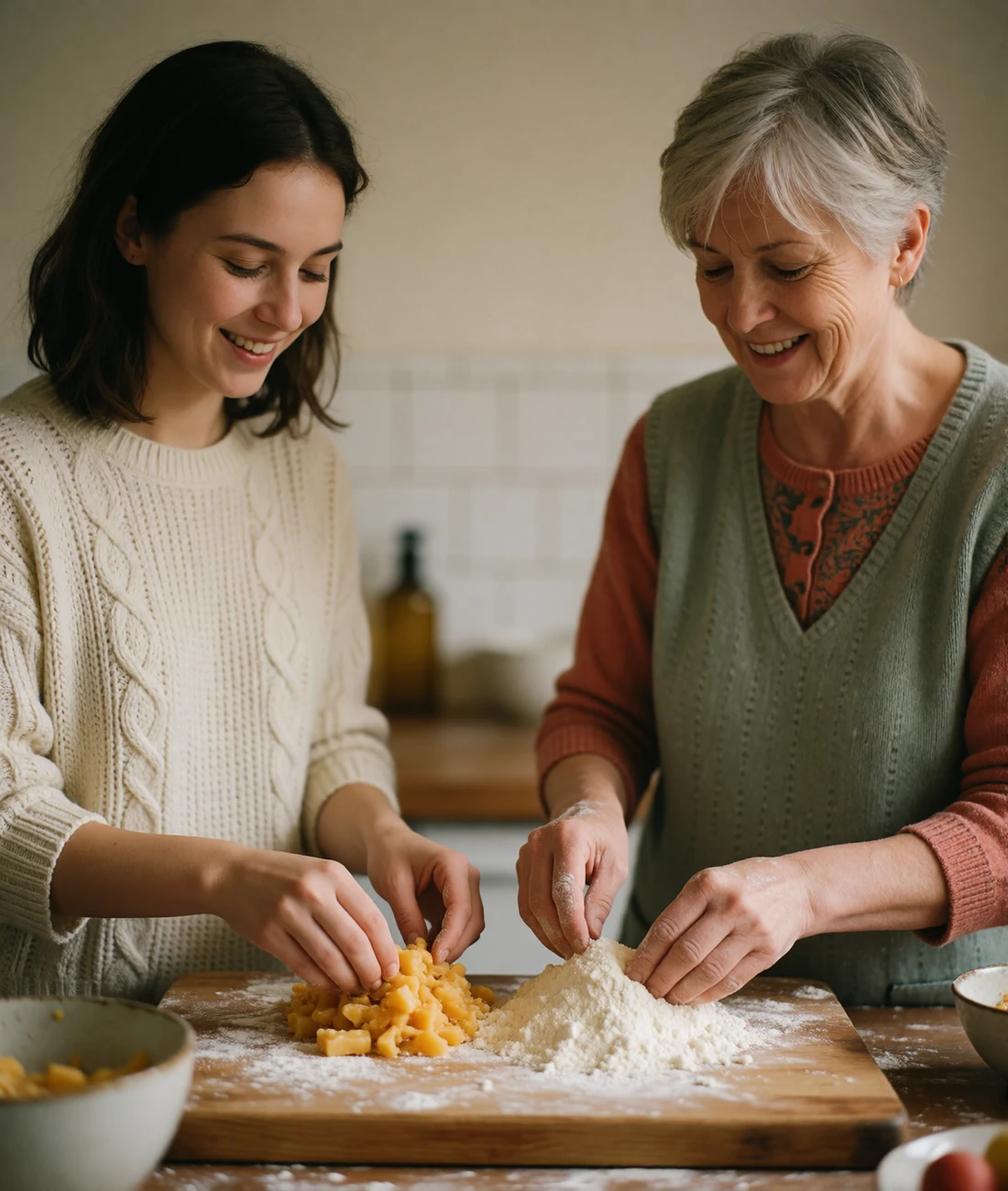
Slavic holiday traditions are less about decorations and more about who earns a seat at the table. When a woman invites a partner to a birthday dinner, a name day gathering, or a major religious holiday, she is doing more than filling a spare chair - she is testing whether he belongs inside the circle that matters most to her. Meeting the family this way, in the middle of an actual celebration rather than a staged introduction, tells you where you stand faster than weeks of messaging ever could.
This is exactly the structured, intention-first approach our Slavic dating platform is built to support: verified profiles and a clear path from first message to first invitation, rather than an open-ended chat that never leads anywhere.
Cultural Context
Meeting the Family: What the Invitation Means
An invitation to meet the family arrives earlier in Slavic dating than most Western men expect, and it is never casual. According to the Kyiv International Institute of Sociology (2025), 78% of Slavic women consult their mothers before accepting a serious relationship - so by the time you are sitting at that table, her mother's opinion of you already matters. Family introductions within the first weeks of an in-person visit are read as a sign of serious intent rather than premature intimacy.
What does this mean in practice? Come prepared to be a good guest, not a guest of honor. Bring premium wine or spirits and quality chocolates for the household, along with a small, thoughtful gift for her mother specifically. Accept every dish offered, compliment the cooking, and stay for the second and third rounds of tea or coffee that usually follow the meal.
Men most often stumble here not through rudeness but through absence - skipping the visit, cutting it short, or treating it as an obligation rather than an opportunity. A relaxed, engaged evening at the table does more for your standing than any gift you could bring alone.
Gift Etiquette
Gifts That Land: Flowers, Sweets, and the Odd-Number Rule
Thoughtful gift selection is read as genuine effort, not formality - get the details right.
The Odd-Number Rule
Always bring an odd number of flowers - one, three, five, or seven - typically red, pink, or white roses, presented personally and unwrapped from cellophane at the door. Even numbers such as two, four, or six are reserved for funerals and will send an unintentionally grim signal on a date.
Colors and Varieties to Avoid
Yellow roses traditionally signal jealousy or separation, and red carnations carry Soviet-era memorial associations in much of the region. Neither belongs in a courtship bouquet, however striking they look in the shop. Skip both and stay with classic reds, pinks, or whites.
Why the Details Matter
A 2025 InterNations study found that 73% of Eastern European women rate thoughtful gift selection among the top three attractive qualities in a foreign partner. Flowers should not be skipped on any of the first three dates - the gesture itself matters as much as the gift.
Read more on dating etiquetteA Deeper Tradition
Blagosloveniye: The Parental Blessing Milestone
Blagosloveniye, the formal parental blessing, is a milestone rooted in Eastern Orthodox marriage preparation, and it carries real weight even in families that are otherwise secular. Slavic populations were Christianized between the 7th and 12th centuries, and Orthodox Christianity remains predominant among East and South Slavs - a heritage still visible in holiday customs and family ritual today. In countries such as Bulgaria, where Orthodox traditions run especially deep, a father's or mother's blessing on a relationship is treated as a genuine milestone rather than a ceremonial gesture; our Bulgarian dating page explores this cultural backdrop in more detail.
You do not need to understand every detail of the ritual to show respect for it. Approach any moment that resembles a blessing - a toast from her father, a quiet word from her mother - with attentiveness and gratitude rather than humor or dismissal. It is one of the clearest signals a family can give that they see the relationship as heading somewhere real.
Practical Tips
Practical Tips for Your First Holiday Visit
Three habits separate the men who are welcomed back from the men who are politely tolerated.
Arrive With a Considered Gift
An odd number of flowers for her, wine or chocolates for the household, and a small personal gift for her mother cover the essentials. Skipping this step, even on a return visit, reads as carelessness rather than confidence.
Learn Names and a Few Phrases
Memorize her parents' and siblings' names before you arrive, and learn a simple greeting or toast in the local language. In Moldovan families, as detailed on our Moldovan dating page, a short toast at the table is warmly expected.
Offer to Help, Don't Wait to Be Served
Offer to carry dishes, pour drinks, or clear the table - and accept every dish put in front of you with a genuine compliment. Being useful at the table matters more than being impressive at it.
Related Guides
Keep Reading
Conclusion
Respect Travels Further Than Expense
None of these Slavic holiday traditions require a large budget. What they require is attention: the right number of flowers, a small gift for her mother, a willingness to help at the table, and genuine respect for a moment like the parental blessing. Men who treat these details as an opportunity rather than a hurdle are almost always the ones invited back for the next holiday - and the one after that.
Start on the Slavic dating homepage to see how verified profiles and structured matching help you build toward that first family visit with real confidence.
- SSL Secured
- Verified Profiles
- Anti-Scam Protection